Storetime is a marketing tool, which primarily provides support to retailers in stimulating sales through various activations, enabling them to promote their products and services more effectively. This approach not only increases the visibility of their offerings in both physical and online stores but also leads to an increase in traffic and store visitors.
Concept, Visual Design, Prototype, User stories & tickets
Tools
Figma, FigJam, Photoshop, Asana, Material Design
Create a
multi-tenant marketing tool.
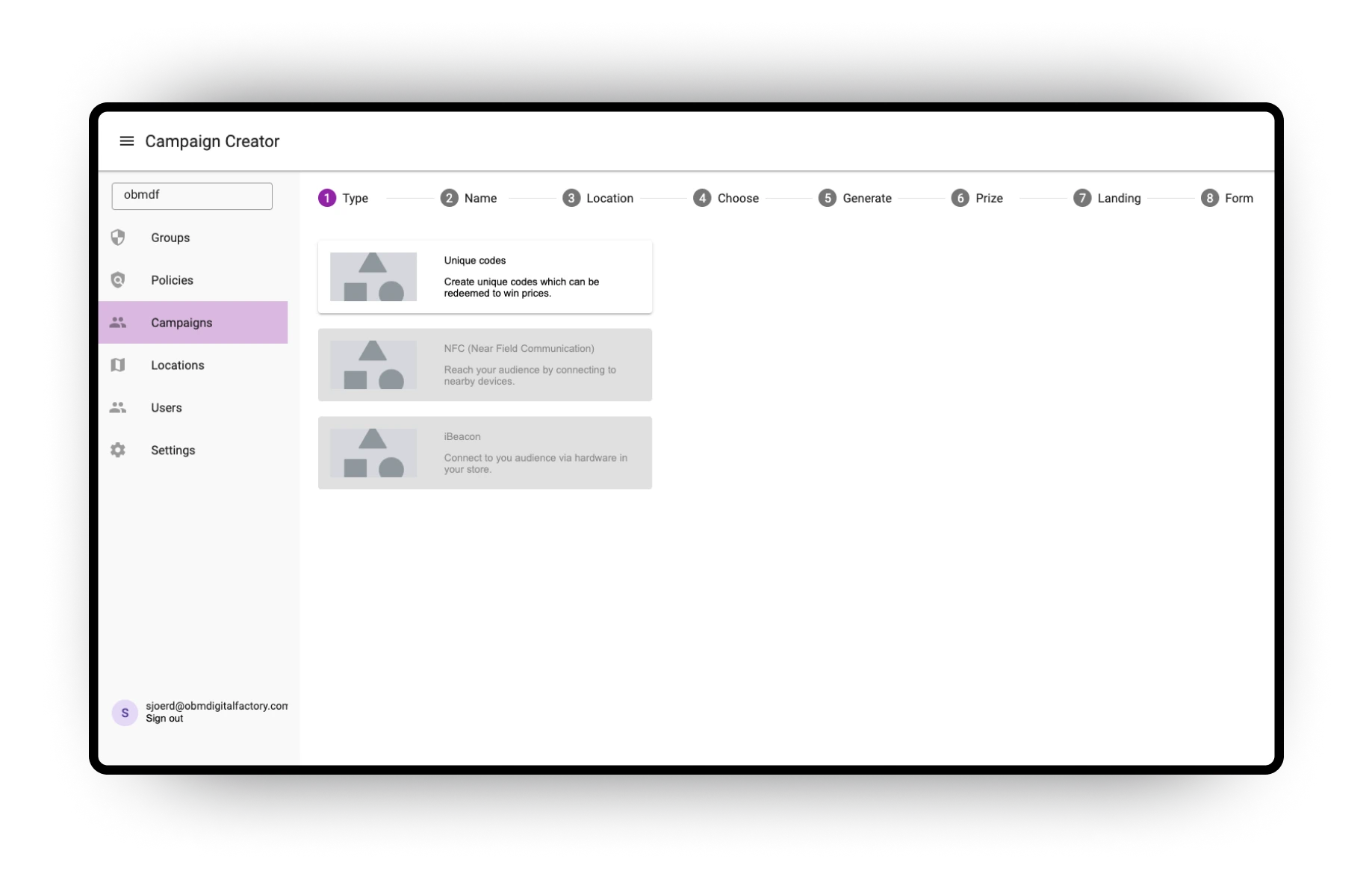
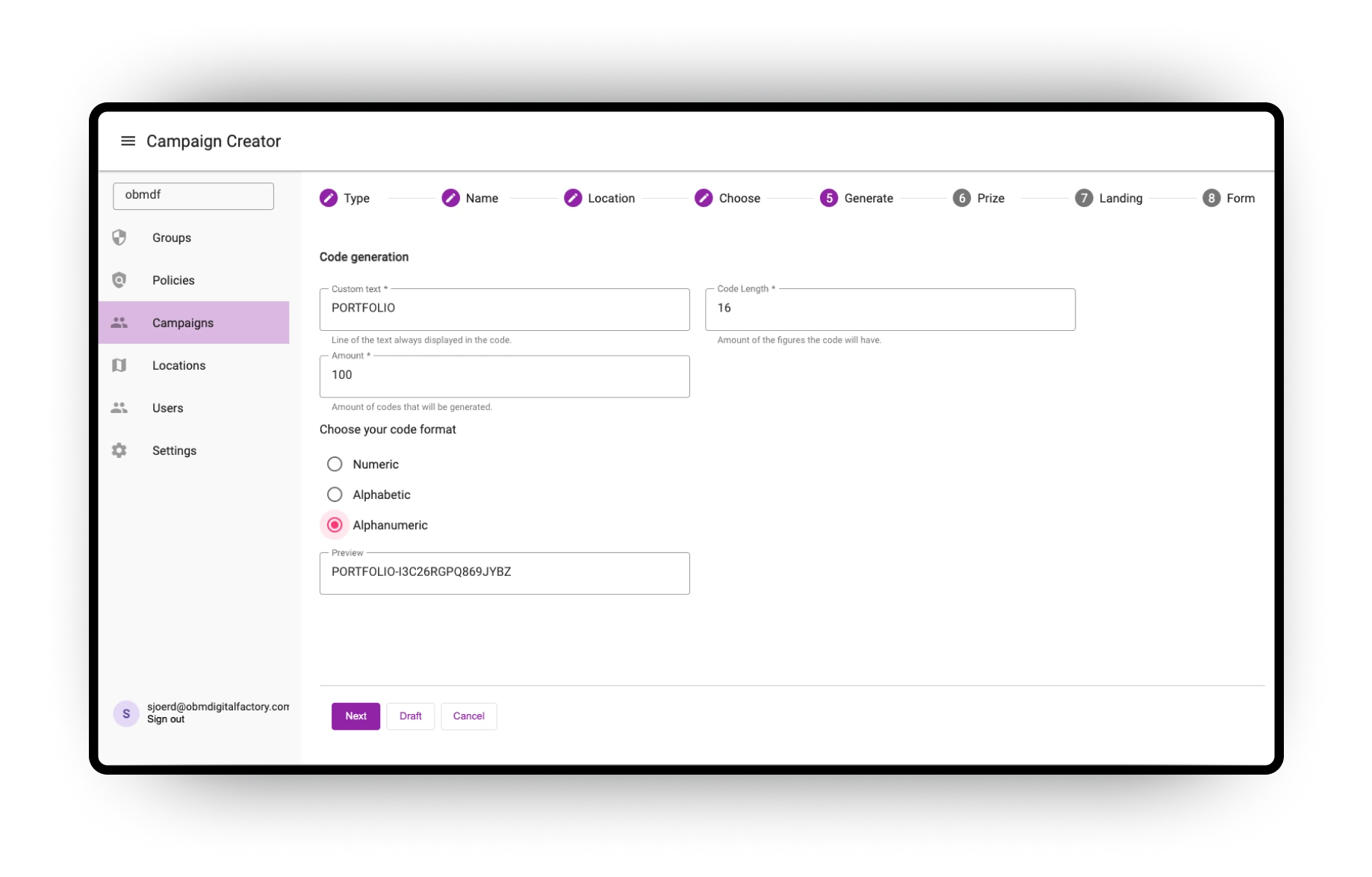
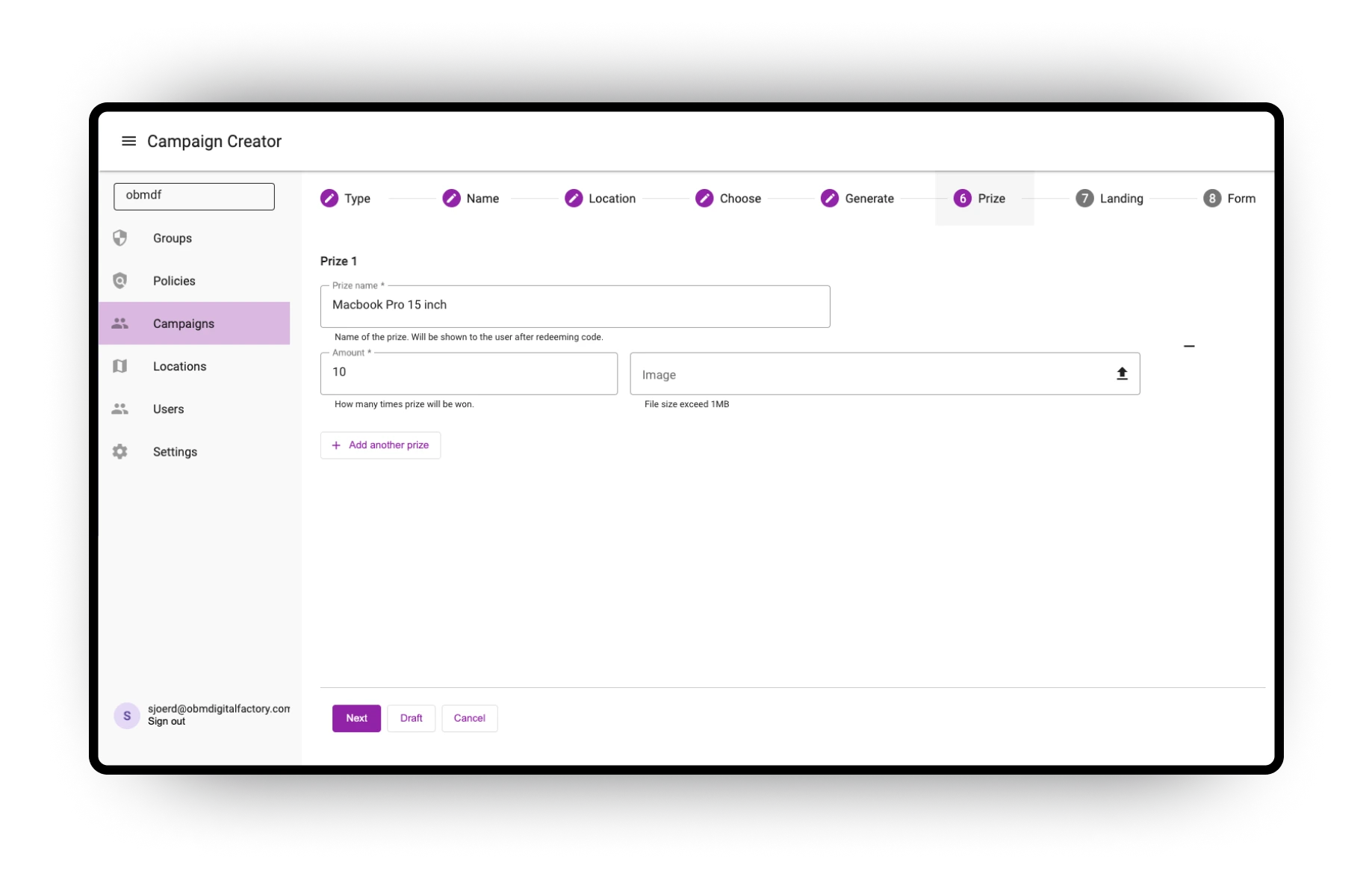
After one of many brainstorms with my employer, an idea for a marketing tool was made. An application to create unique codes, assign prize to participants which could be claimed in stores. The goal of the tool is to increase store traffic and to create insight in customers by collecting your own data (important with the upcoming new privacy regulations).
The application had to be built and designed like a multi-tenant, creating a separate environment for each retailer. This was important since we had several retail clients, but also to ensure safety in data and campaigns.
Problem and solution
We need it, ASAP.
We started with sketching the tool and thinking about what it should look like, when one of our clients already started showing interest. This meant we had to speed up the process, and launch the marketing tool as quickly as we could.
Using Material Design to speed up
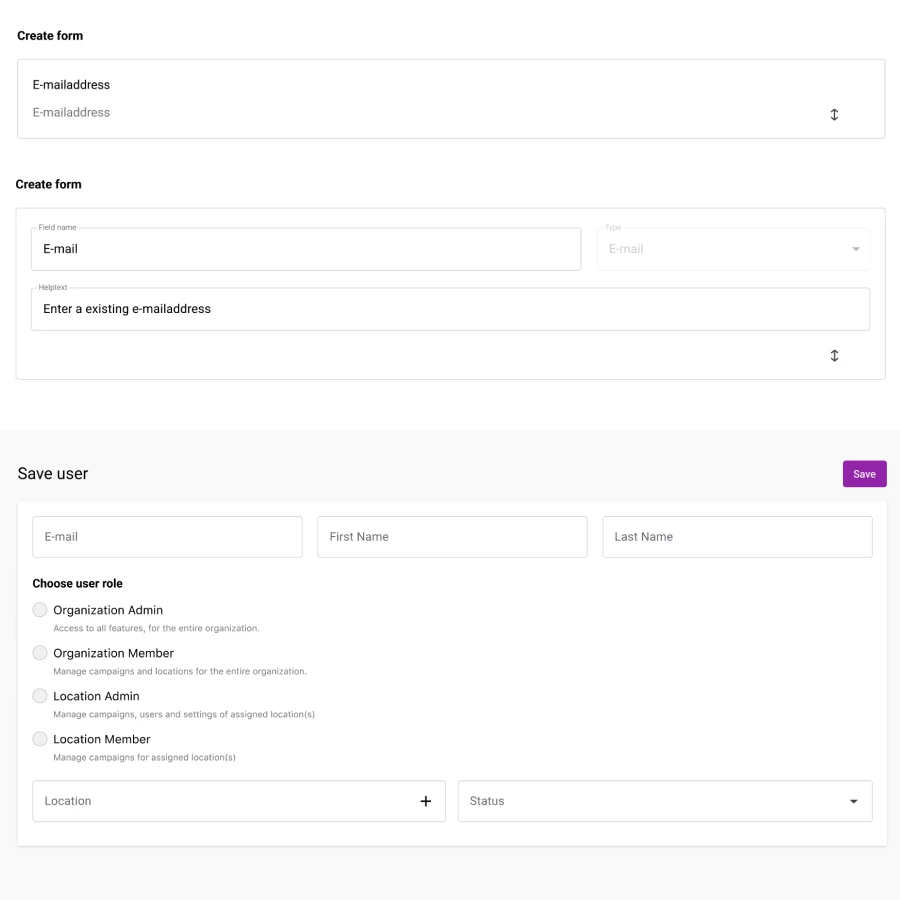
To decrease both design and development hours, we agreed to use the Material Design library of Google. This meant less time designing and developing components, and more time focussing on processes and lay-out.
We were able to launch the application within the deadline of our client. A custom API connection was also created to connect the application to their organization’s app and cashing system. We automated claiming a prize in the store by making this connection.
Design system
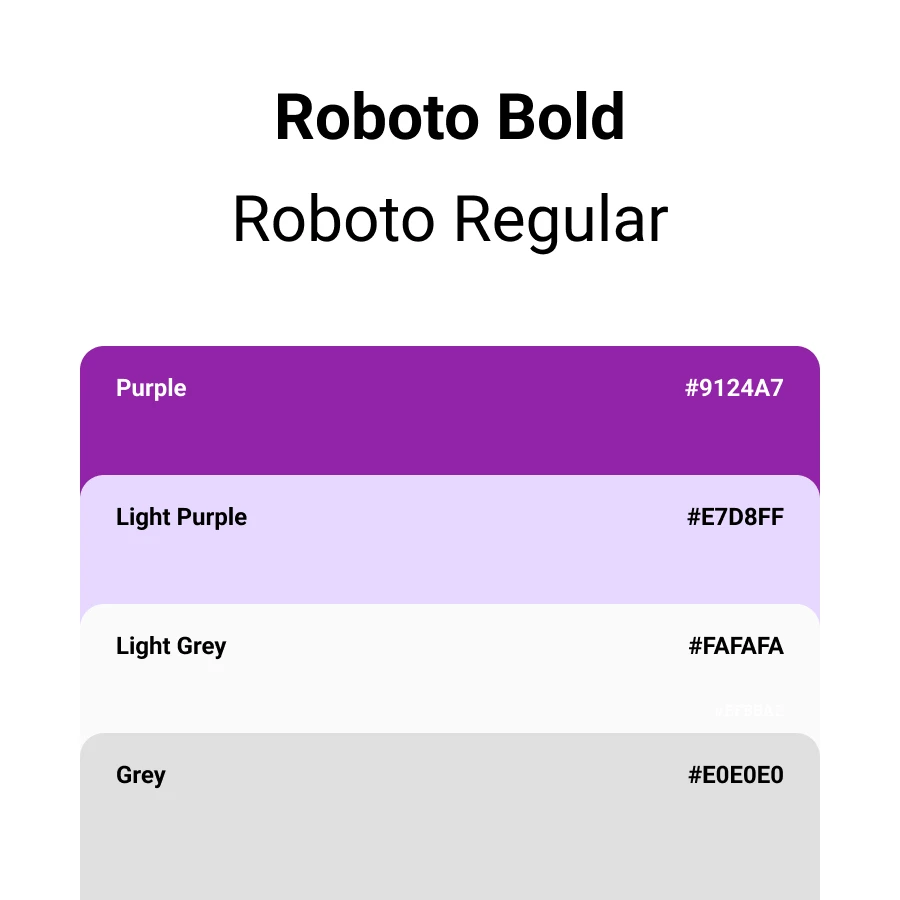
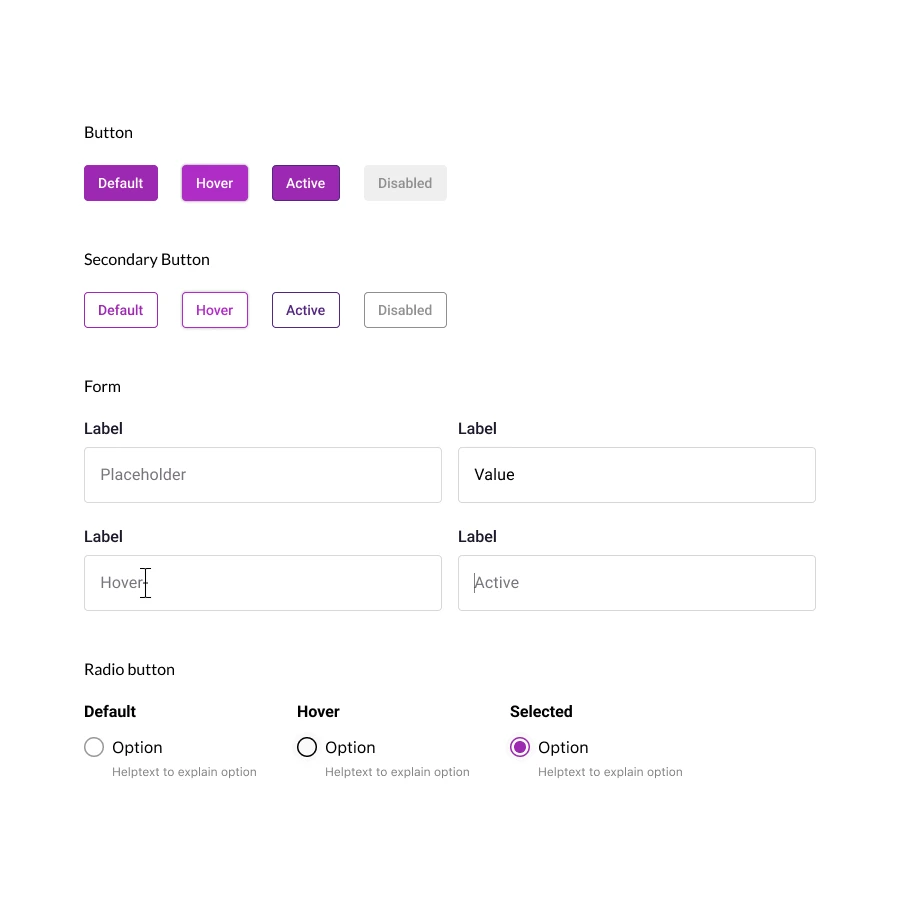
We used the Material Design System from Google to create this application.
Strong marketing tool to gather first party data
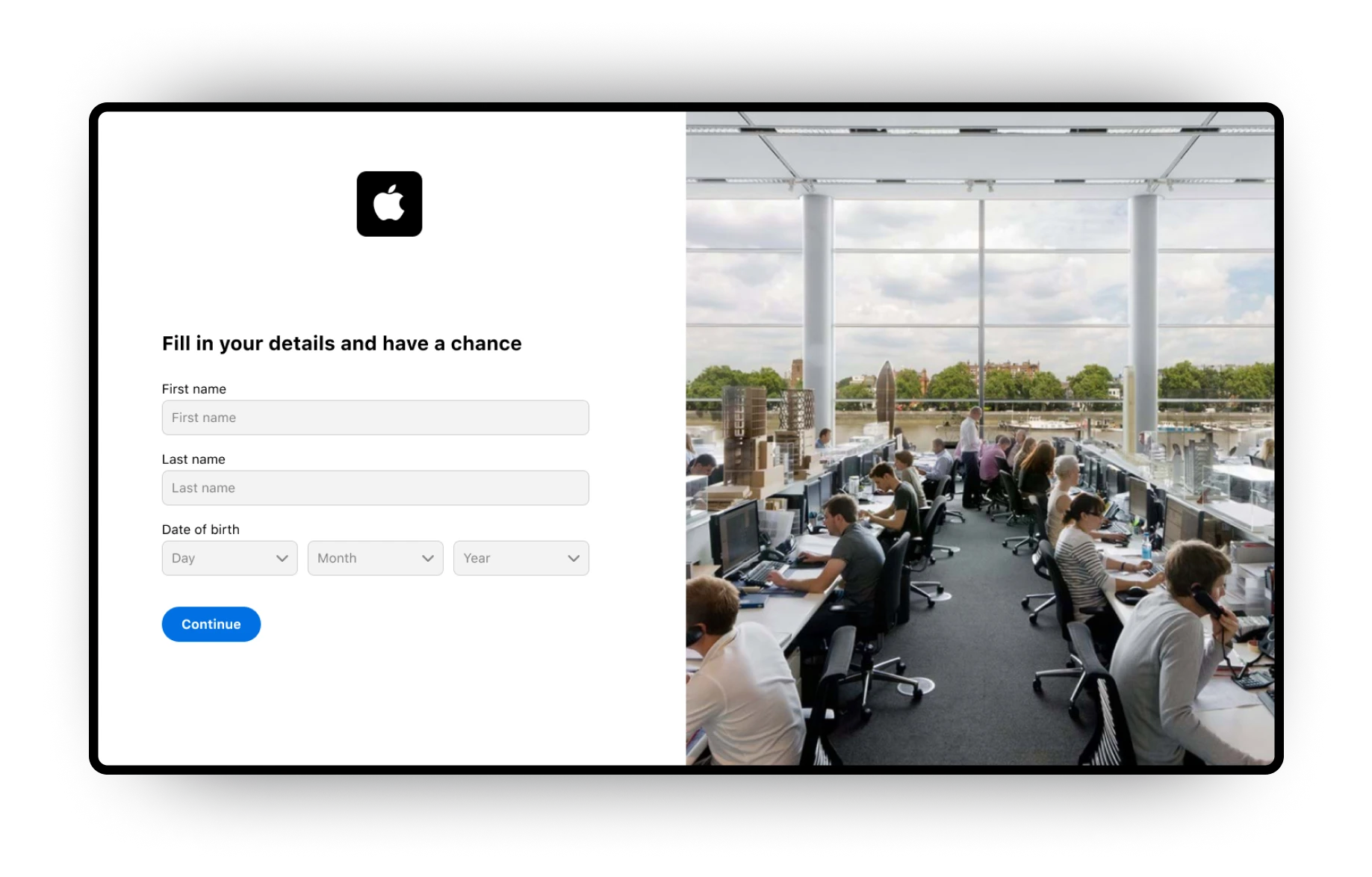
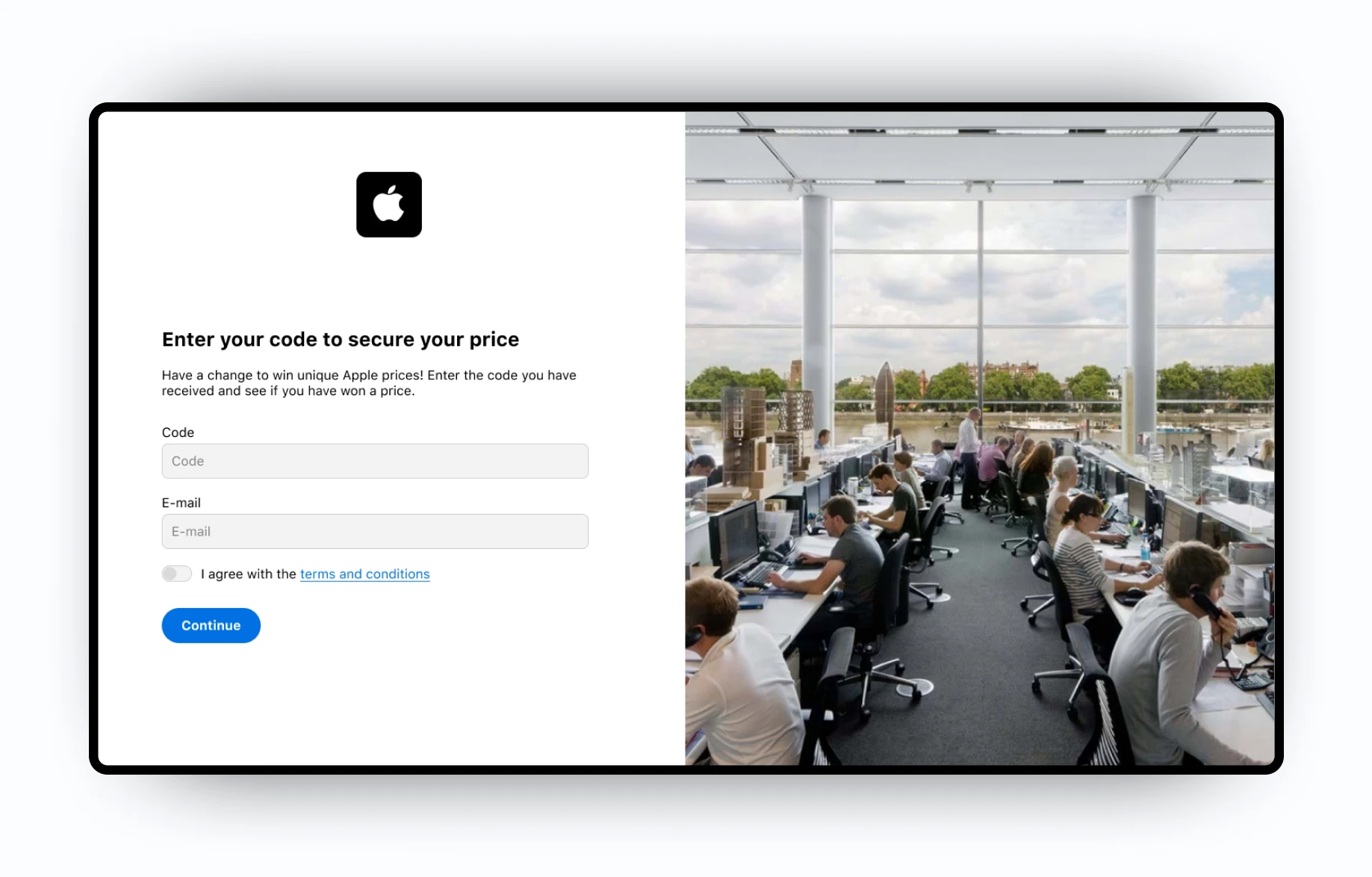
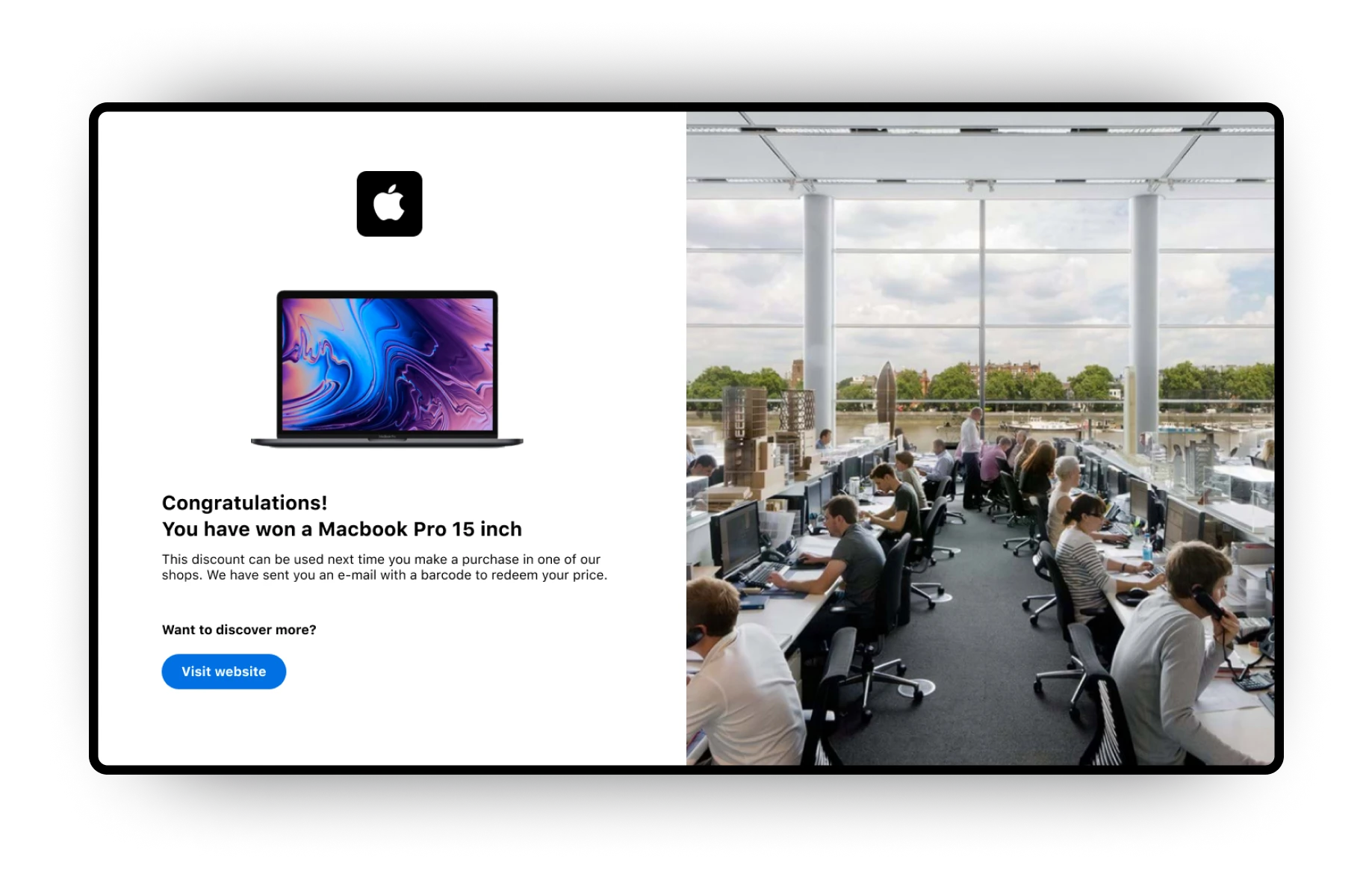
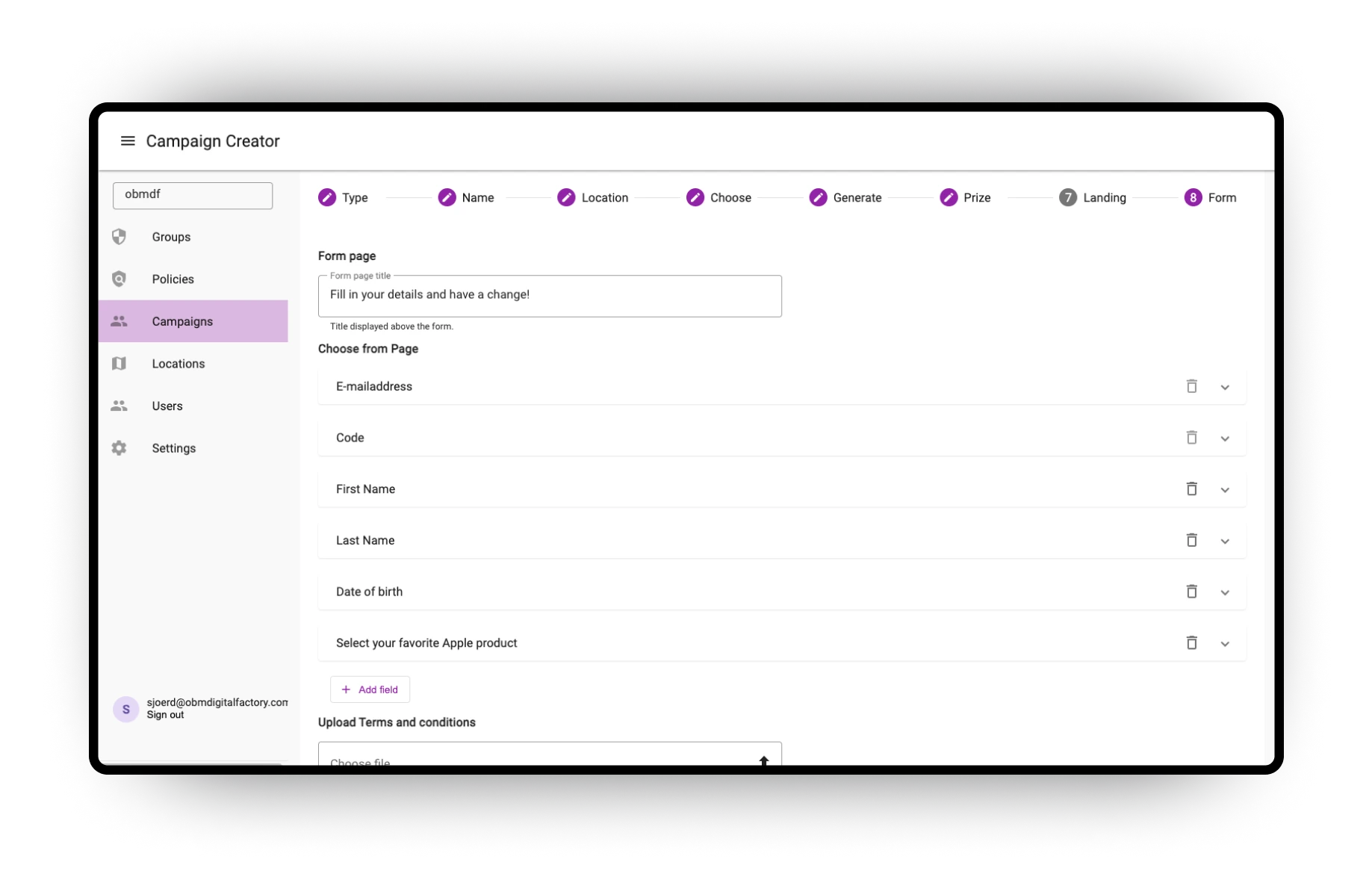
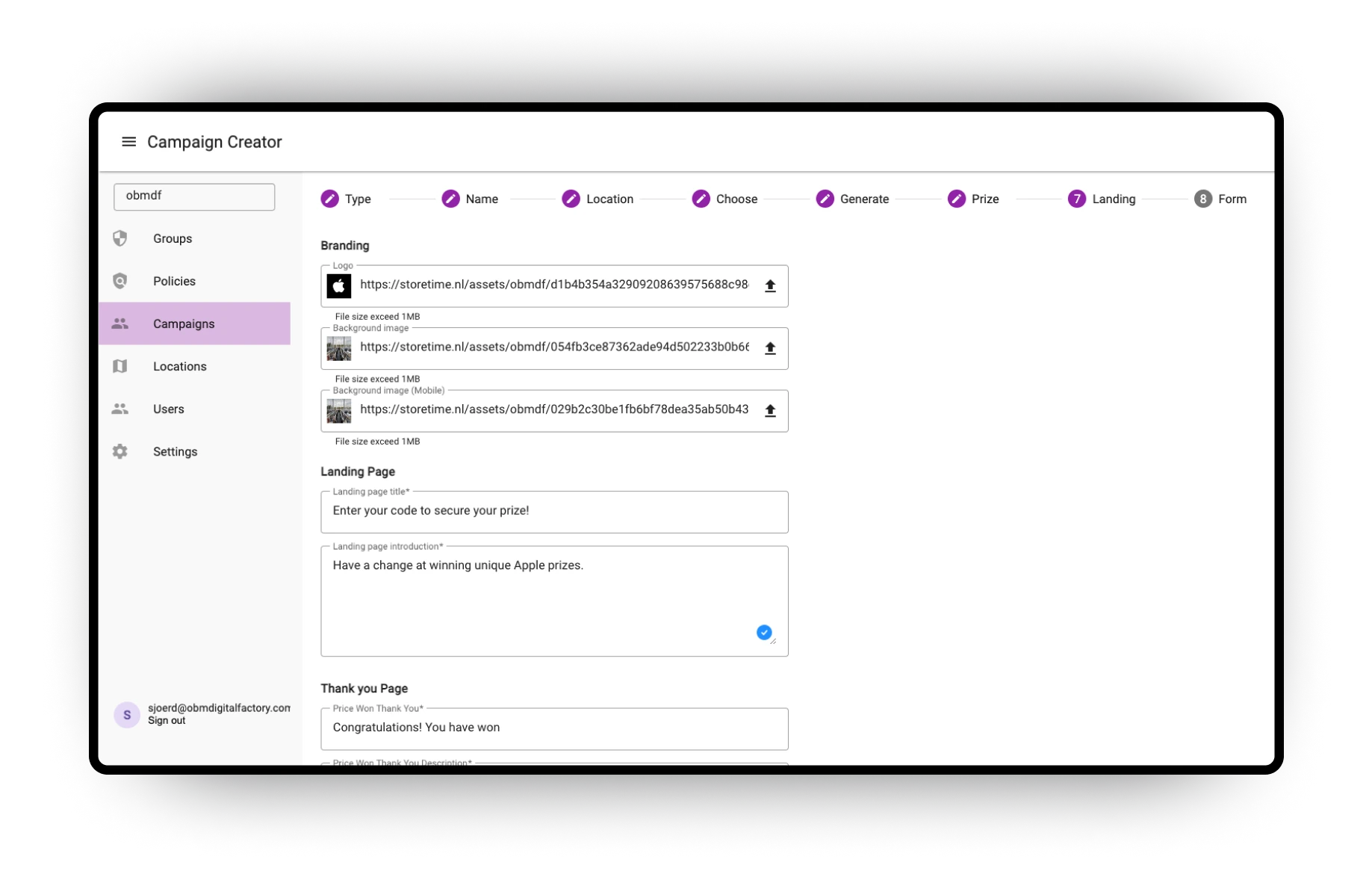
Using several different marketing campaigns, companies can gather first party data. In the example below, a unique code landing page is shown. Participants have to enter a code they received, leave data and get a shot at winning prizes.
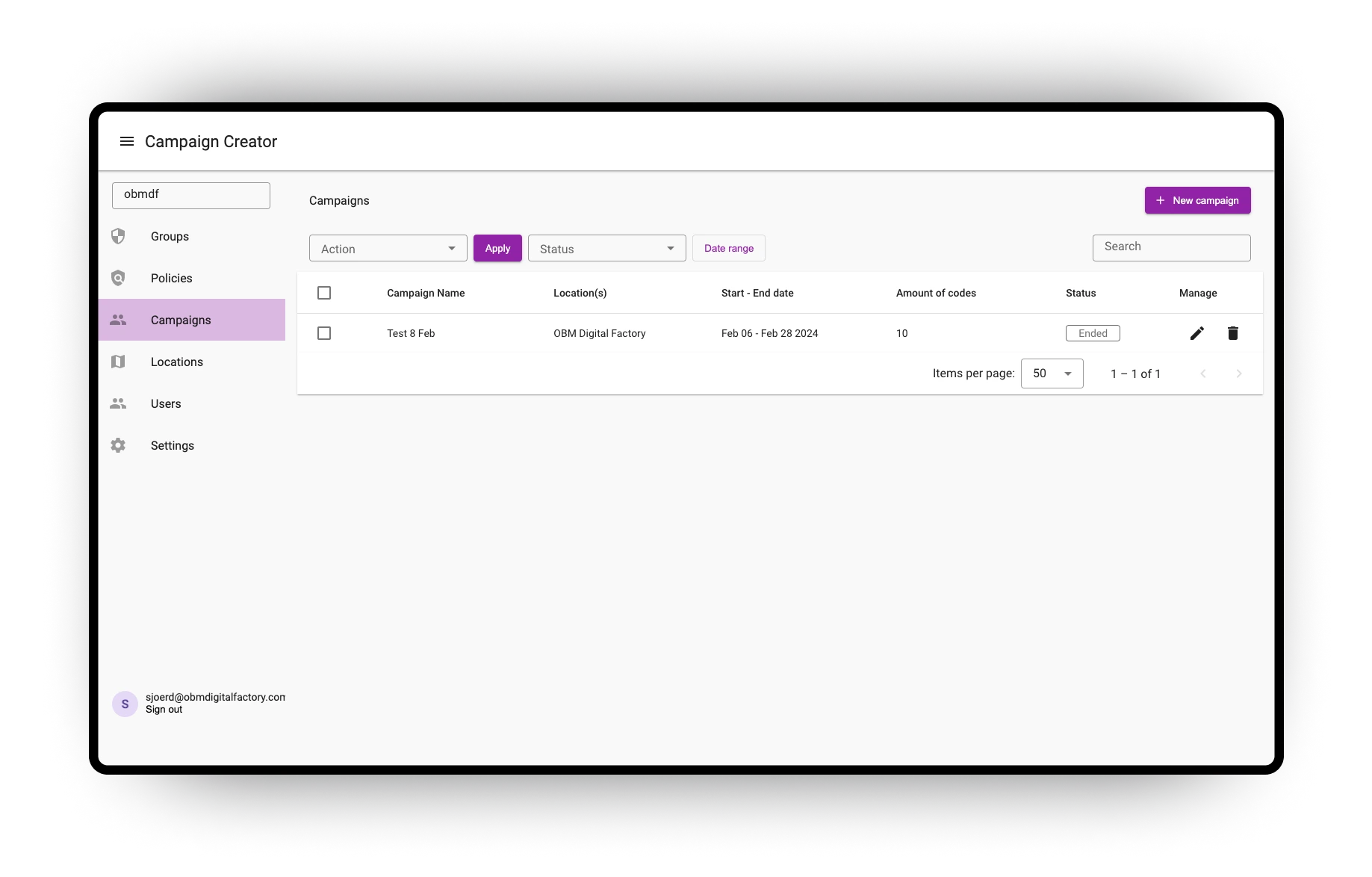
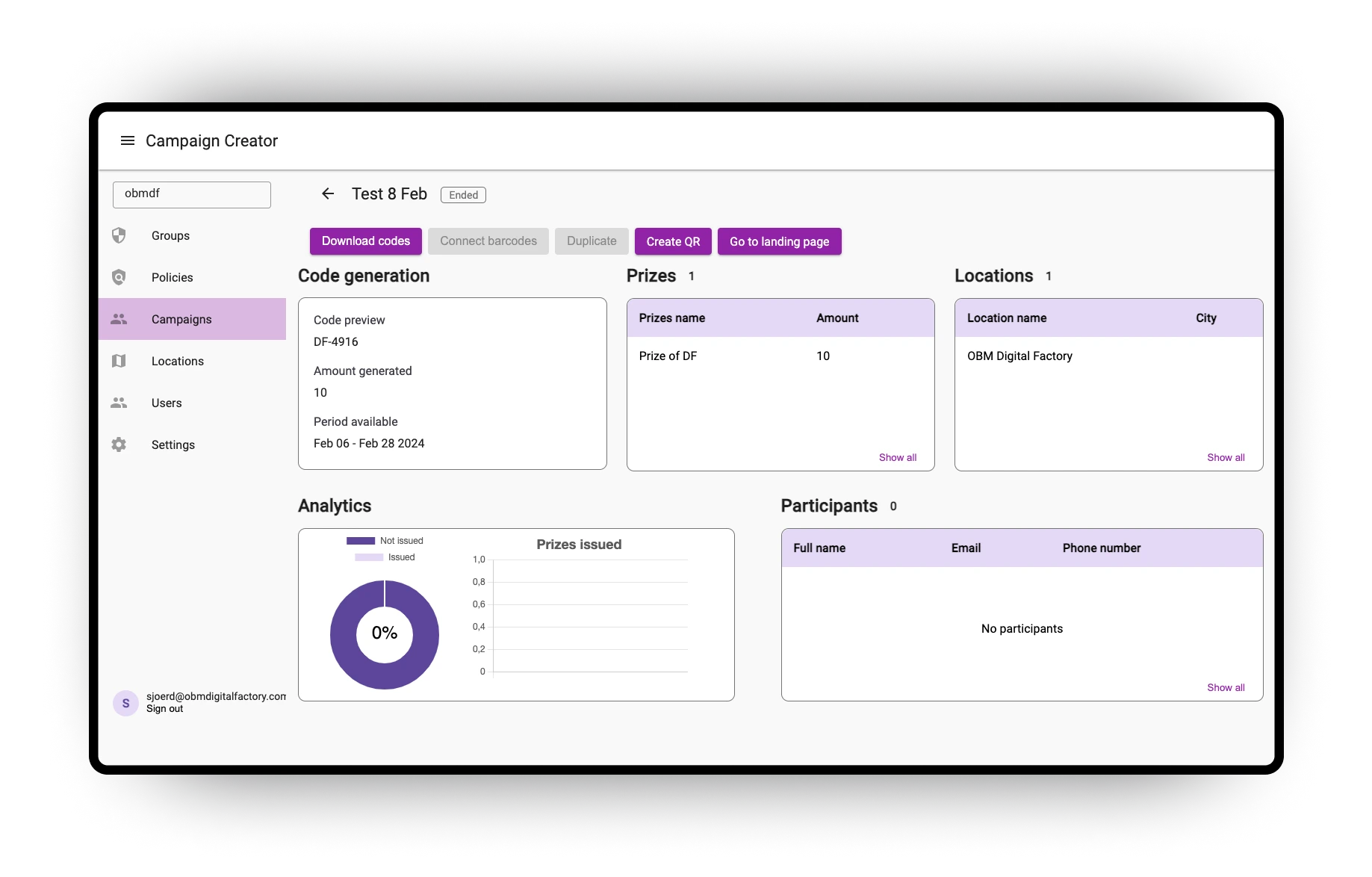
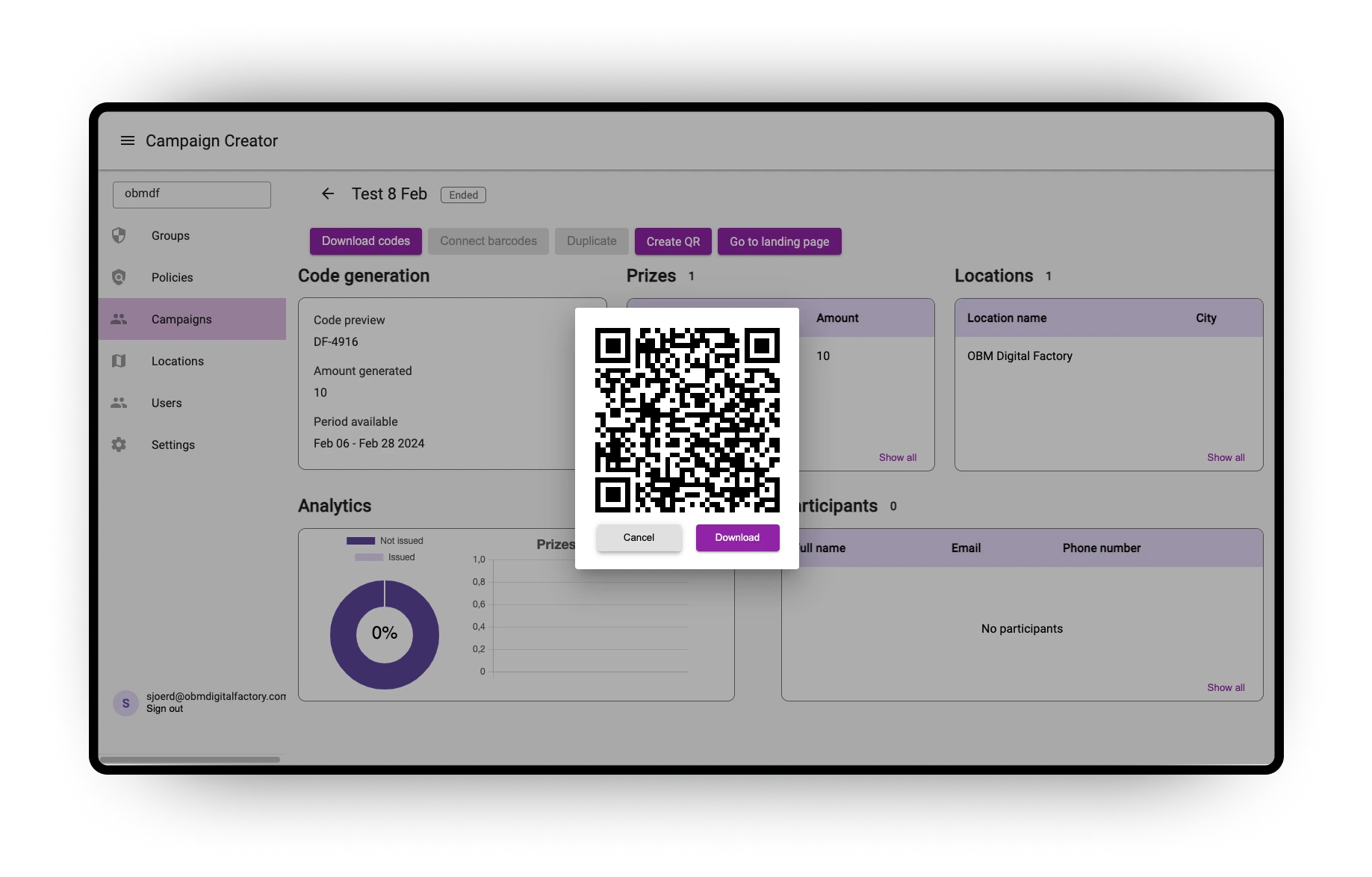
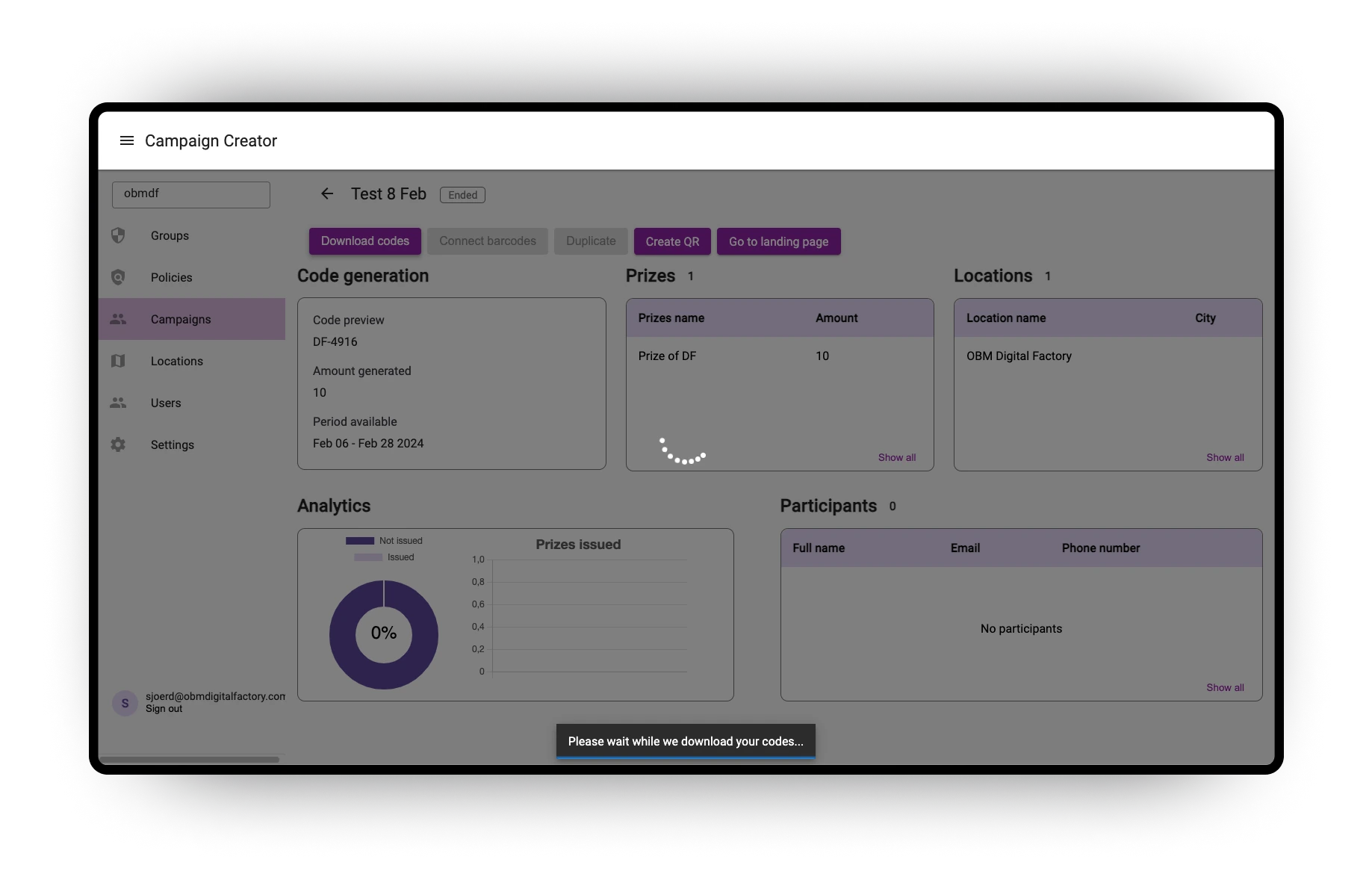
Multi-tenant back-end build with Material
The platform is build as a multi-tenant application. Every company that enters the systems, gets its own environment.